Some flaring needs do not justify a permanent stack. A planned shutdown, a facility turnaround, a well test or an emergency release can all create a temporary demand for combustion capacity that disappears when the work ends. In those situations a rental unit is often the practical answer, but the project only runs smoothly if the request is specified correctly from the start.
This guide walks through what operators and project managers should know before they pick up the phone, so the equipment arrives sized, permitted and ready to run.
Start With the Reason for the Flare
The first question is why the flare is needed, because the duty drives almost every other decision. A turnaround may need to handle a large, short release when the unit is depressured. A well test may need a steady flow of mixed gas and liquids for days or weeks. An emergency may need capacity in place within hours. Be specific about whether the flare will see continuous flow, intermittent surges or a single large event.
Gather the Gas and Flow Data
Manufacturers and rental providers size equipment from process data, not from general descriptions. Before you request a quote, collect the following.
- Gas composition: Hydrocarbon makeup, plus any hydrogen sulfide, carbon dioxide, nitrogen or water content.
- Flow rates: Minimum, normal and maximum, including peak surge during the event.
- Pressure: Available header or relief pressure at the tie-in point.
- Temperature and phase: Whether liquids may be carried into the flare line.
- Duration: The planned start and end dates, with a realistic allowance for extensions.
If any of this is uncertain, say so. A provider can often recommend a conservative design, but it helps to know where the numbers are estimates.
Choose the Right Type of Unit
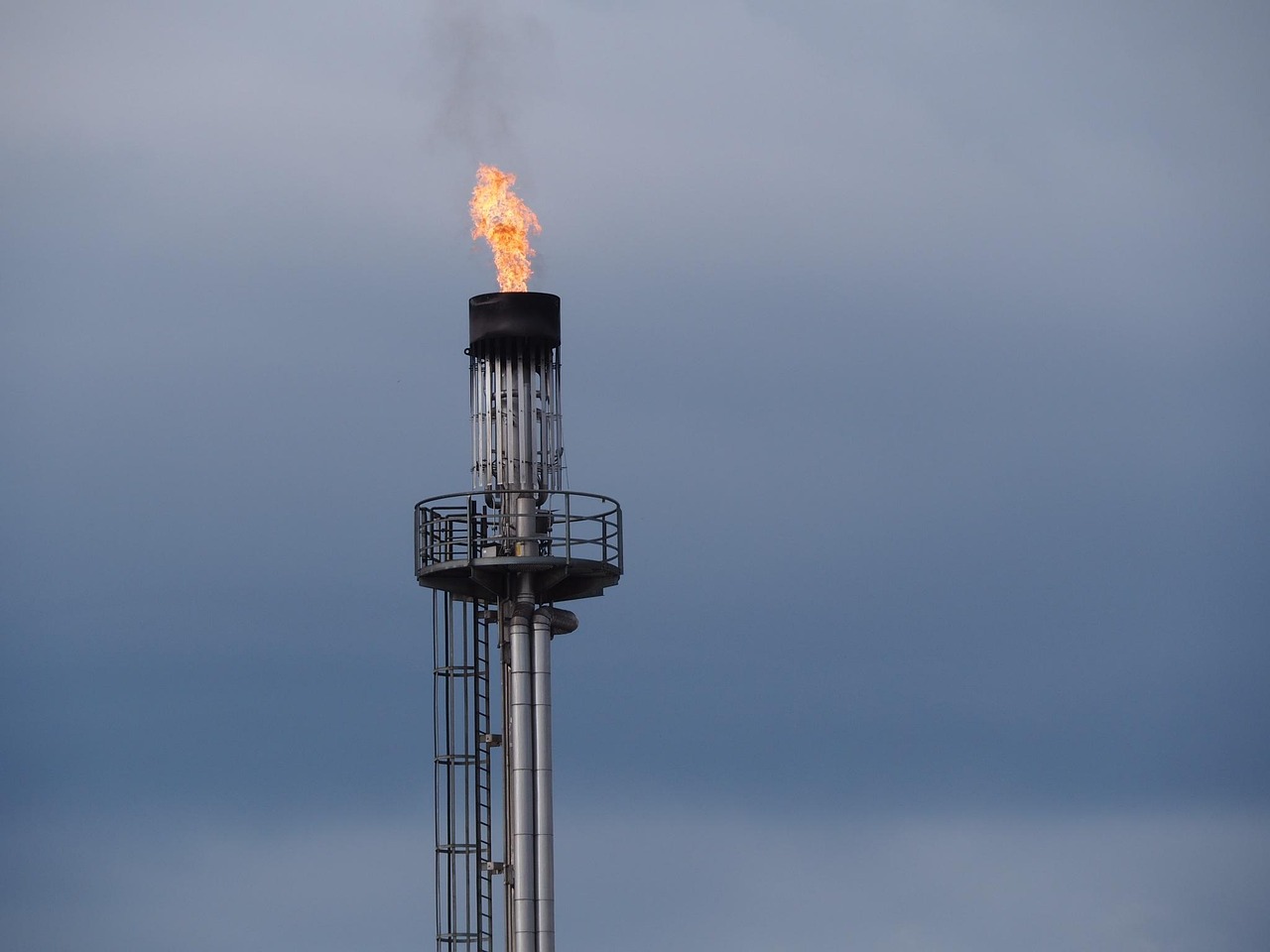
A rental flare can take several forms. Elevated units place the flame high above the ground to manage radiation and dispersion. Ground-level and enclosed designs keep the flame low or hidden, which can help near boundaries, roads or occupied buildings. Trailer-mounted or skid-mounted options make setup faster when time is short. Reviewing the available rental flare options early helps you match the configuration to the site instead of adapting the site to whatever is on hand.
Think Mobility and Setup Time
For projects with tight schedules, mobility matters as much as capacity. Portable flares are built to travel, set up and tie in quickly, which reduces the time between mobilization and first use. Ask how the unit is transported, what crane or lifting equipment is needed, how much ground preparation is required and how many people are needed to commission it.
Do Not Skip Siting and Radiation
Every flare produces radiant heat, and the unit must be placed so that people, equipment and vegetation stay within safe limits. Give the provider a site plan that shows property lines, buildings, other process equipment, access roads and prevailing wind direction. Ask for a radiation calculation at the proposed location and confirm the setback distances in writing. Late discovery that a unit cannot go where you planned it is one of the most common causes of delay.
Plan Utilities and Controls
Check what the unit needs to operate. Some designs need fuel gas for the pilot, instrument air or electrical power for ignition and monitoring. Confirm who supplies each utility, how it will be connected and what backup exists if one fails. Find out how the pilot is monitored, how relight is handled and how alarms are communicated to the control room or to the on-site operator.
Permits and Compliance
Temporary does not always mean exempt. Depending on the location, a temporary flare may still require notification, a permit or documented emissions estimates. Work with your environmental team early, and ask the provider what documentation they can supply, such as design data, performance information and operating records.
Logistics, Service and Support
Finally, ask practical questions. Who delivers and removes the unit? Who is on site during operation? How quickly can a technician respond if something goes wrong? What happens if the project is extended? A provider that offers field service and clear response times can save a project from costly downtime.
A Simple Pre-Request Checklist
Before you request a rental, confirm the purpose, the gas data, the flow range, the available pressure, the site plan, the utilities, the duration and the permitting path. With those in hand, quotes come back faster, designs fit better and the unit is ready when your crew needs it.