
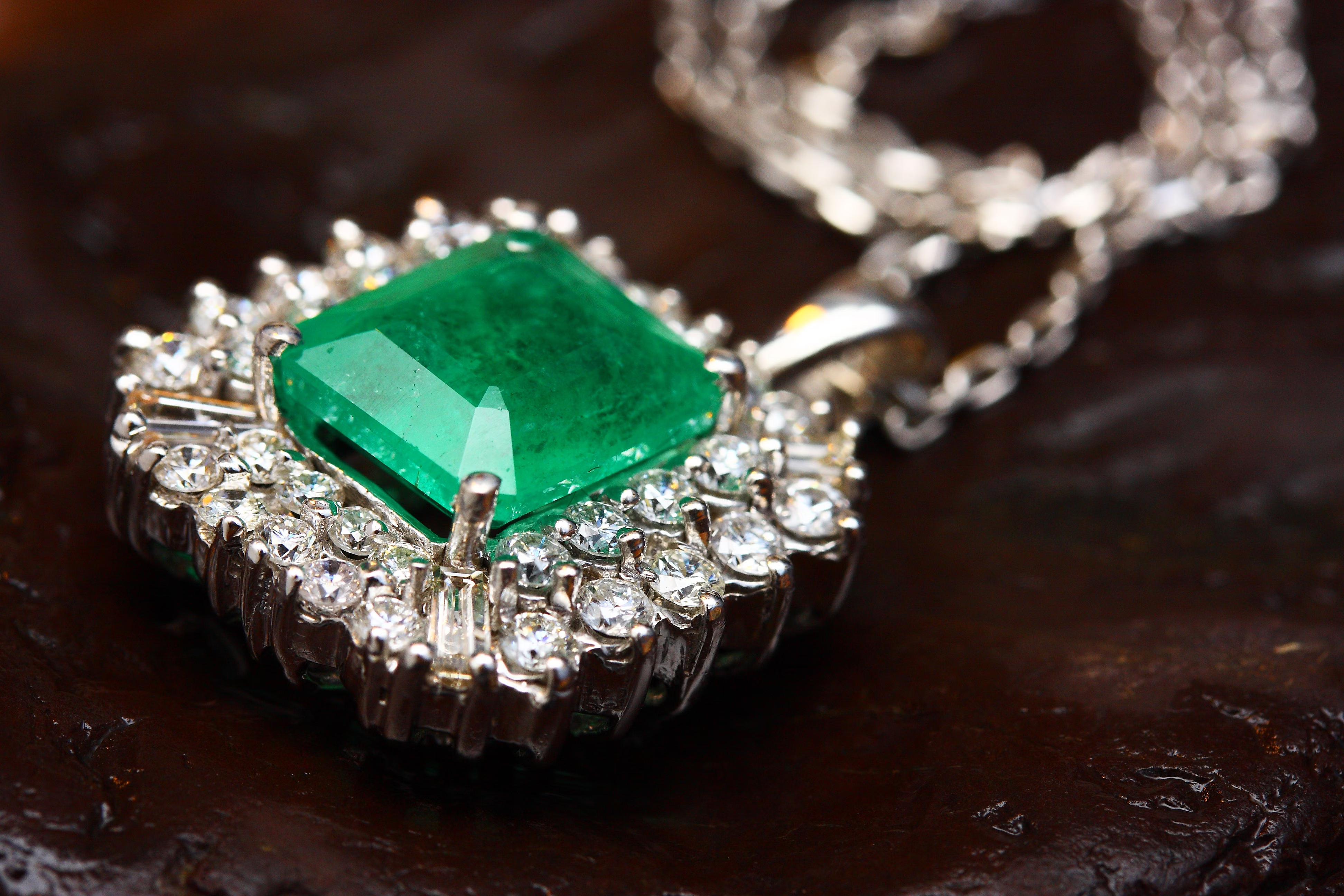
Choosing an engagement ring is one of the most meaningful decisions you'll make. It's a symbol of commitment, love, and a future together—which is exactly why more couples today are turning to lab-grown diamond engagement rings as a thoughtful, brilliant, and responsible alternative to traditionally mined stones.
If you're new to lab-grown diamonds or curious about whether they're right for your proposal, this complete buyer's guide will walk you through everything you need to know—from how they're made to what makes them an outstanding choice for a lifelong symbol of love.
What Are Lab-Grown Diamonds?
Lab-grown diamonds are real diamonds—chemically, physically, and optically identical to diamonds mined from the earth. They're created using advanced technological processes that replicate the extreme heat and pressure found deep within the earth's mantle.
The two primary methods used to grow diamonds in a lab are:
- High Pressure High Temperature (HPHT): A diamond seed is placed under intense pressure and high heat, causing carbon to crystallize around it.
- Chemical Vapor Deposition (CVD): A diamond seed is placed in a chamber filled with carbon-rich gas. The gas is then ionized, causing carbon atoms to deposit on the seed and slowly build up into a full diamond crystal.
Both methods produce diamonds that are graded using the same 4 Cs criteria—Cut, Color, Clarity, and Carat weight—by independent gemological laboratories like GIA and IGI. There is no visible or structural difference between a lab-grown diamond and a mined one. Even experienced gemologists cannot tell them apart without specialized equipment.
Why Lab-Grown Diamonds Are the Right Choice for Engagement Rings
1. Better Value for the Same Quality
One of the most practical advantages of lab-grown diamonds is their price. Lab-grown stones typically cost 50–70% less than comparable mined diamonds. That means you can get a larger, higher-quality stone for the same budget—or save significant money while still giving your partner a stunning piece of jewelry.
When you're designing an engagement ring that will be worn and cherished for decades, getting the best stone your budget allows matters. Lab-grown diamonds let you prioritize cut and clarity without compromising on carat size.
2. Ethically Sourced and Conflict-Free
Many couples today care deeply about where their diamonds come from. The traditional diamond mining industry has faced decades of controversy, including concerns about conflict diamonds, labor exploitation, and environmental damage caused by large-scale open-pit mining.
Lab-grown diamonds sidestep these concerns entirely. When you choose a lab-grown stone, you know exactly where it came from and that no communities were harmed in its creation. This ethical clarity is especially meaningful for a ring that represents the values you and your partner share.
3. Environmentally Responsible
Traditional diamond mining displaces vast quantities of earth, consumes enormous amounts of water, and can disrupt local ecosystems. Lab-grown diamond production, by contrast, has a significantly smaller land and water footprint. Many producers use renewable energy, reducing the carbon emissions associated with the manufacturing process.
If sustainability matters to you—and for many couples in their 20s and 30s, it does—a lab-grown diamond is a meaningful choice that aligns with your lifestyle values.
4. Identical Beauty and Brilliance
Perhaps the most important thing to know is that lab-grown diamonds are not "fake" diamonds or diamond simulants like cubic zirconia or moissanite. They are real diamonds, with the same fire, brilliance, and scintillation that have made diamonds the world's most beloved gemstone for centuries.
When cut to ideal proportions by skilled craftspeople, a lab-grown diamond will sparkle with the same breathtaking intensity as any mined stone. Your partner will wear a diamond that is beautiful, durable (10 on the Mohs scale), and timeless.
Key Factors to Consider When Choosing Your Ring
The 4 Cs
Regardless of whether you choose a lab-grown or mined diamond, the 4 Cs determine a stone's quality and appearance:
- Cut: The most important factor. An excellent or ideal cut maximizes the diamond's brilliance. Even a lower-color or slightly included stone can look stunning with a perfect cut.
- Color: Diamonds are graded from D (colorless) to Z (light yellow). For most settings, grades G–H offer excellent value and are virtually colorless to the naked eye.
- Clarity: Refers to the presence of internal inclusions. VS1–VS2 or SI1 grades typically look perfectly clean to the naked eye while offering significant savings over flawless stones.
- Carat: The weight of the diamond. With lab-grown diamonds, your budget can often stretch to a larger carat size than it would with a mined stone.
Setting Style
The ring setting dramatically affects the overall look and feel of the piece. Popular choices include solitaire, halo, three-stone, and pavé settings. Consider your partner's lifestyle and personal aesthetic—a high-prong solitaire is classic and elegant, while a bezel setting offers more protection for an active lifestyle.
Metal Choice
Platinum is the most durable and hypoallergenic option, while white gold offers a similar look at a lower cost. Yellow gold and rose gold are having major fashion moments and pair beautifully with lab-grown diamonds of slightly warmer color grades.
Shopping with Confidence
When shopping for a lab-grown diamond engagement ring, always look for stones certified by recognized laboratories such as GIA or IGI. A certification ensures that the diamond's quality has been independently verified and that you know exactly what you're purchasing.
Additionally, choose a jeweler who offers transparency about the origin and production method of their stones. The best jewelers will be knowledgeable, willing to answer your questions, and able to show you a range of options across different quality grades and budgets.
At EX3 Diamond, every piece is hand-set in their Illinois studio and crafted with the highest attention to detail—ensuring that your engagement ring is as unique and enduring as the relationship it represents.
Final Thoughts
A lab-grown diamond engagement ring offers everything a traditionally mined diamond does—the same beauty, durability, and romantic symbolism—with added advantages in value, ethics, and sustainability. For couples who want to start their future together with a thoughtful, responsible choice, it's hard to imagine a better option.
Take your time exploring your options, ask questions, and choose a stone and setting that feels right for the person you love. The perfect engagement ring is the one that tells your unique story.